
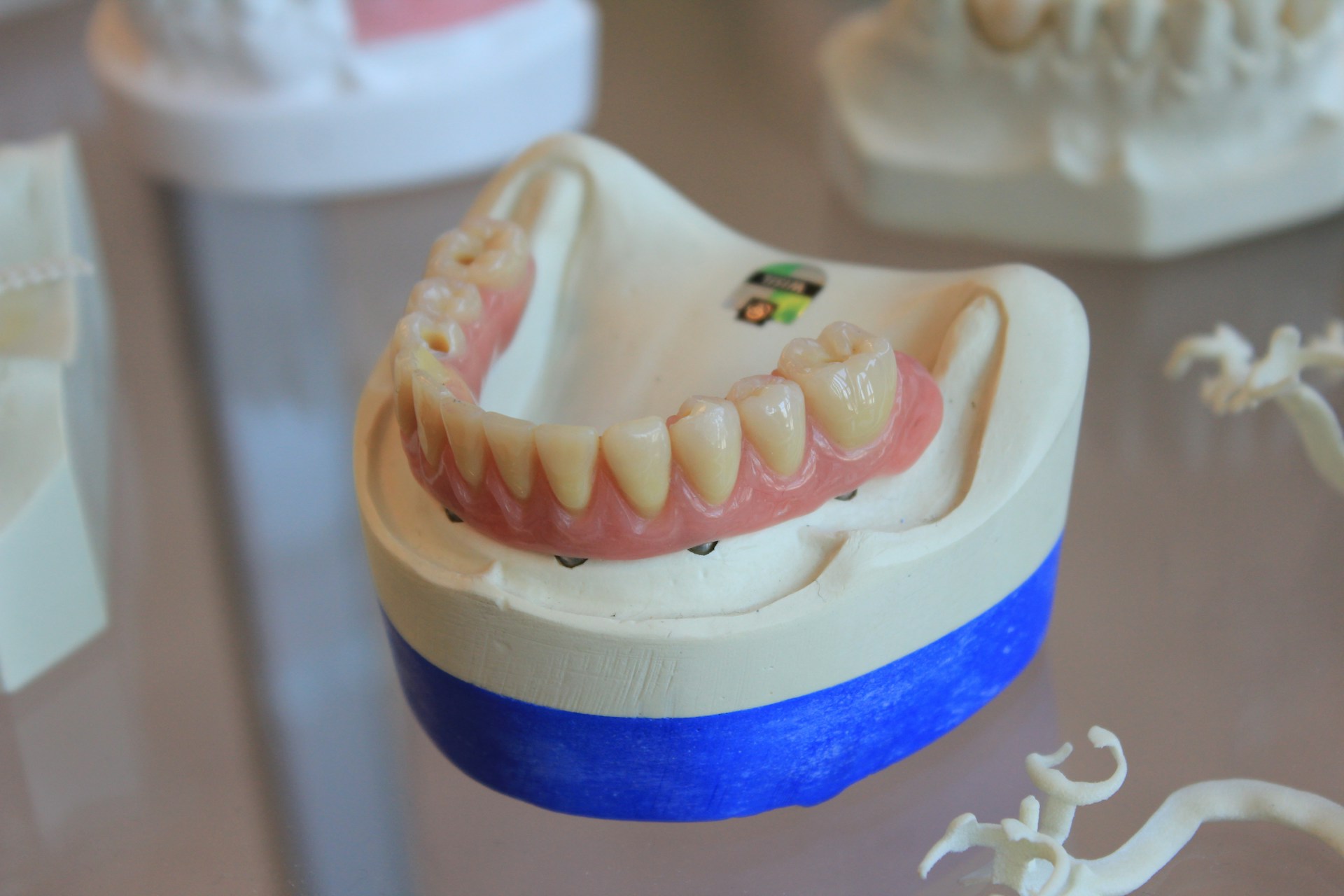
Wearing dentures is meant to restore confidence, comfort, and everyday function. But when something goes wrong unexpectedly, it can quickly become disruptive. A cracked base, a broken tooth, or a loose fit can affect speaking, eating, and even social interactions within minutes. These issues rarely happen at convenient times, which is why urgent dental support is so important.
For many people balancing work, family, and travel, delays in repairs are simply not practical. Waiting several days without functional dentures can impact nutrition, confidence, and overall well-being. This is where fast professional intervention becomes essential.
Modern dental laboratories and prosthodontic services have evolved significantly, making solutions more accessible than ever. In many cases, patients can regain a functional prosthesis within hours, restoring normal daily activity with minimal interruption. This is especially relevant when seeking same day denture repair, a service designed for urgent restoration without compromising quality or safety.
Why fast denture restoration is essential for daily function
Dentures are not just cosmetic appliances; they play a critical role in chewing efficiency, speech clarity, and facial support. When they break or become unusable, the effects are immediate and noticeable.
Even minor damage can lead to discomfort or irritation in the mouth. Sharp edges may cause sore spots on the gums, while instability can make eating difficult or unsafe. For individuals who rely entirely on dentures, even a short period without them can significantly affect quality of life.
In busy lifestyles, especially for working professionals or caregivers, there is little room for extended downtime. Restoring function quickly helps maintain routine and prevents secondary issues like poor nutrition or social withdrawal.
Common causes of denture damage
Dentures are durable but not indestructible. Over time, wear and environmental stress can weaken the structure. Understanding what typically causes damage can help prevent emergencies in the future.
Common causes include:
- Accidental drops onto hard surfaces such as tiles or basins
- Natural wear and tear from long-term use
- Improper cleaning methods or harsh chemicals
- Changes in gum structure leading to poor fit and added pressure
- Biting into overly hard or sticky foods
Many fractures occur during routine cleaning, especially when dentures are handled over a hard sink surface. Others develop gradually, where small stress fractures eventually lead to complete breakage.
Material fatigue also plays a role. Acrylic bases and artificial teeth are designed for durability, but they are still subject to micro-stresses that accumulate over time.
What happens during emergency denture repair services
When a denture breaks, professional assessment is the first step. Technicians evaluate the type of damage, material condition, and whether a repair is feasible without a full replacement. This assessment ensures both safety and structural integrity.
In most cases, repairs involve precision bonding techniques using dental-grade resins. These materials are designed to restore strength while maintaining proper alignment and bite function. If a tooth has detached, it is carefully repositioned and secured to match the original structure.
In urgent cases, same day denture repair is often possible through streamlined laboratory workflows. The denture is cleaned, prepared, and repaired using controlled curing processes that speed up setting time without compromising durability.
Patients may also receive minor adjustments to improve fit and comfort. These refinements are important, especially if underlying wear contributed to the damage.
How dental labs achieve fast turnaround times
Modern dental laboratories operate with highly efficient systems that allow urgent cases to be prioritised without sacrificing accuracy. Digital scanning, advanced curing equipment, and experienced technicians all contribute to faster outcomes.
In many facilities, repair processes are structured to run in parallel stages. While one technician prepares the material, another assesses structural alignment. This reduces downtime and accelerates completion.
The use of high-strength acrylics and rapid-setting resins also plays a major role. These materials allow repairs to be completed within hours rather than days, while still meeting clinical safety standards.
Another key factor is communication between clinics and laboratories. Clear documentation and immediate case transfer help reduce delays and ensure that urgent repairs are treated as priority cases.
Risks of delaying denture repairs
Delaying repairs may seem manageable in the short term, but it can lead to additional complications. Continued use of damaged dentures may worsen fractures or create uneven pressure on the gums.
Over time, this can result in irritation, inflammation, or changes in oral tissue. In some cases, small cracks expand into complete breakage, making repair more complex or even impossible.
There is also a functional risk. Poorly fitting or broken dentures can interfere with chewing, leading to dietary limitations. This may indirectly affect general health if softer, less nutritious foods become the only option.
Social and psychological effects should not be overlooked either. Many individuals feel self-conscious when their dentures are visibly damaged, which can affect confidence in both personal and professional settings.
When to seek urgent professional help
Not all denture issues require immediate intervention, but certain signs indicate that urgent care is necessary. Acting quickly can prevent further complications and reduce repair complexity.
Key indicators include:
- Visible cracks or fractures in the denture base
- Missing or loose artificial teeth
- Sudden changes in fit or stability
- Sharp edges causing discomfort or injury
- Complete breakage rendering the denture unusable
In these situations, attempting home repairs is strongly discouraged. Over-the-counter adhesives may provide temporary hold but often compromise the structure and make professional repair more difficult.
Seeking prompt attention ensures that the appliance is restored safely and correctly, maintaining both function and oral health.
Maintaining dentures to reduce future emergencies
Preventive care is one of the most effective ways to avoid unexpected damage. Simple daily habits can significantly extend the lifespan of dentures and reduce the likelihood of urgent repairs.
Recommended practices include:
- Cleaning dentures over a soft towel or basin filled with water to prevent breakage if dropped
- Using non-abrasive cleaning solutions designed specifically for dentures
- Storing dentures in a proper container when not in use to prevent warping or accidental damage
- Avoiding very hard or sticky foods that can strain the structure
- Scheduling regular dental check-ups to monitor fit and condition
Temperature control is also important. Hot water can distort denture shape, while excessive dryness can weaken materials over time. Proper storage helps maintain structural stability.
Routine professional evaluations allow early detection of small issues before they become emergencies. Adjustments can often be made quickly, preventing more serious damage later.
Reliable dental care systems are designed to support patients when unexpected issues arise. With efficient laboratory processes and experienced technicians, restorative solutions are increasingly accessible even under time pressure. In many cases, functional results can be achieved within the same day, reducing disruption and restoring normal daily activity with minimal delay.
Fast intervention, combined with good long-term care habits, ensures that dentures remain both functional and comfortable, supporting overall quality of life without unnecessary interruption.