
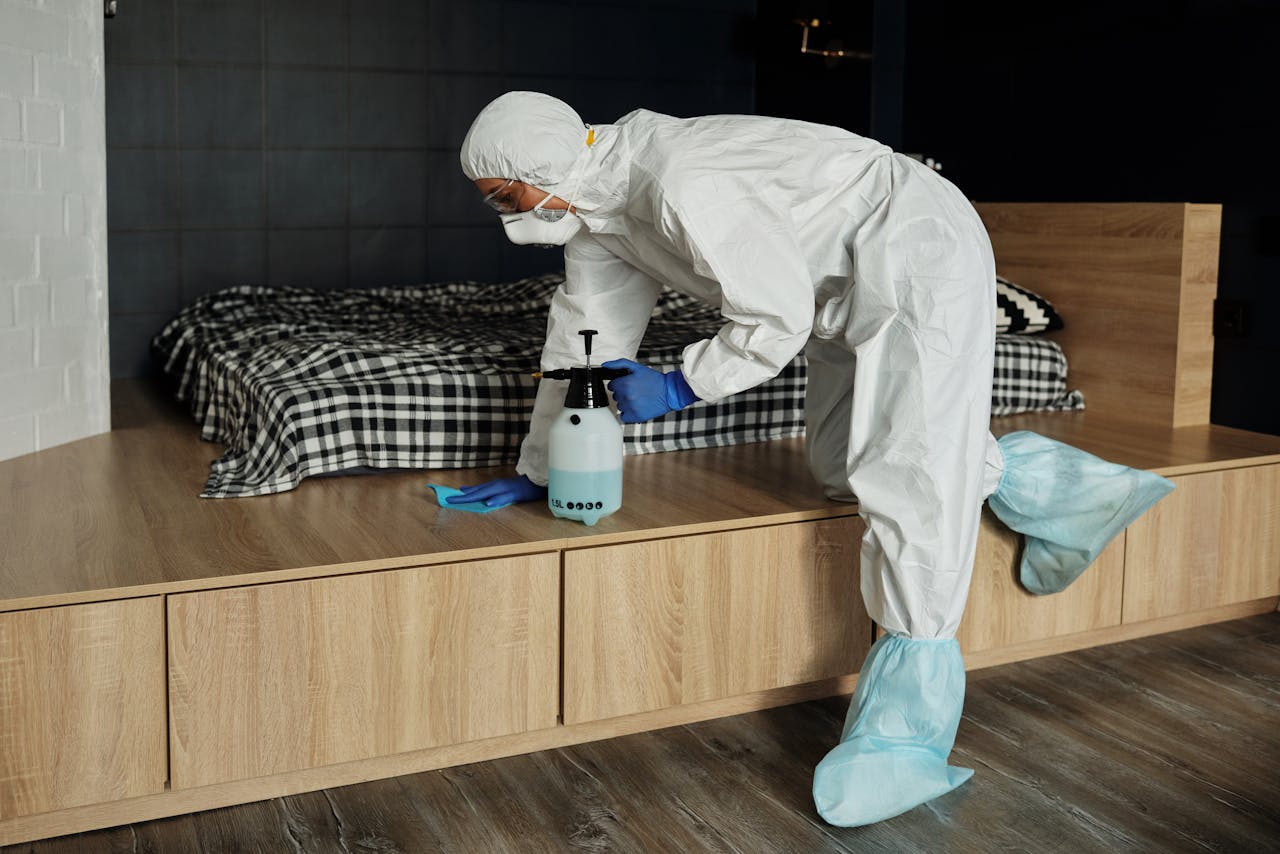
Recognising the early warning signs of a pest problem can make a significant difference in protecting both property and health. In many cases, infestations begin subtly, but they can escalate quickly if left unaddressed. Timely intervention helps reduce structural damage, prevents contamination of food, and limits exposure to allergens or disease-carrying organisms.
In urban and suburban environments, pests often thrive in hidden spaces such as wall cavities, roof voids, drainage systems, and storage areas. Because these areas are not frequently inspected, infestations can grow unnoticed until they become severe. Understanding what to look for allows homeowners and property managers to act before the situation becomes difficult or costly to resolve.
Professional assistance from experienced experts like Pest Managers is often necessary when infestations go beyond basic DIY control methods. In such cases, identifying reliable service providers—often considered among the best pest control companies in South Africa—can ensure that the issue is handled effectively, safely, and in compliance with local regulations.
Unusual Sounds, Smells, and Visible Activity
One of the earliest indicators of a pest issue is the presence of unusual sounds or odours within a building. Scratching noises in ceilings or walls, particularly at night, may indicate rodents or other nesting pests. Similarly, persistent musty or foul smells can signal the presence of droppings, decaying organic matter, or hidden infestations in inaccessible areas.
Visual sightings are another clear warning sign. Seeing pests during the daytime often suggests that an infestation is already well established, as many species tend to remain hidden when populations are small. Droppings, shed skins, or grease marks along walls and skirting boards are additional clues that should not be ignored.
In these situations, prompt evaluation is essential. Ignoring early sensory indicators allows pests to multiply, increasing both the complexity and cost of remediation. A professional assessment can determine the extent of the infestation and guide appropriate intervention strategies.
Structural Damage and Property Indicators
Pests such as termites, rodents, and carpenter ants can cause gradual but significant damage to buildings. Termites, for example, feed on cellulose-based materials like wood, paper, and cardboard, potentially weakening structural components over time. Signs of their activity may include hollow-sounding timber, blistered paint, or mud tubes along walls and foundations.
Rodents can also inflict damage by gnawing through wiring, insulation, and even plumbing materials. This not only compromises the integrity of a structure but can also create fire hazards and water leaks. Chewed packaging in food storage areas is another common indicator of rodent activity.
Property owners should routinely inspect vulnerable areas such as basements, attics, kitchens, and utility rooms. Early detection of damage allows for targeted intervention before repairs become extensive. When structural integrity is at risk, engaging qualified Pest Managers becomes particularly important to ensure that both elimination and prevention measures are properly implemented.
Health Risks and Contamination Concerns
Pest infestations are not merely a nuisance; they can pose serious health risks. Many pests carry bacteria, viruses, or parasites that can contaminate food preparation areas and surfaces. For instance, cockroaches are known to spread pathogens, while rodents can transmit diseases through droppings, urine, and saliva.
Allergens are another concern. Pest droppings, shed skins, and body fragments can trigger allergic reactions or worsen respiratory conditions such as asthma. Children, the elderly, and individuals with compromised immune systems are especially vulnerable to these effects.
Key health-related warning signs include:
- Frequent unexplained allergic reactions among occupants
- Contaminated food or packaging with bite marks or droppings
- Visible insects in kitchens, pantries, or food storage areas
- Persistent respiratory irritation without an obvious cause
When any of these indicators are present, immediate action is advisable. Professional pest control services can identify the source of contamination and implement sanitation and eradication measures to restore a safe living environment.
Rapid Population Growth and Recurrent Sightings
A single pest sighting may not always indicate a major problem, but repeated observations are a strong signal of an established infestation. Many pests reproduce quickly, and what begins as a small presence can expand into a large population within a short period.
Homeowners should consider the frequency and pattern of sightings. For example, spotting pests in multiple rooms, during different times of day, or across consecutive days suggests that the infestation is no longer isolated. In such cases, over-the-counter treatments are often insufficient to address the root cause.
A simple numbered approach to assess urgency might include:
- Monitoring the frequency of sightings over a short period
- Checking for signs in multiple locations within the property
- Identifying nesting or breeding areas if visible
- Evaluating whether DIY methods have failed to reduce activity
If these steps indicate a persistent issue, escalation to professional intervention is recommended. Experienced Pest Managers can conduct a thorough inspection, identify entry points, and apply targeted treatments that address both current infestations and future prevention.
Environmental Factors That Encourage Infestations
Certain environmental conditions make properties more attractive to pests. Moisture, food availability, and shelter are the primary drivers of infestation. Leaking pipes, poor drainage, and damp areas can create ideal breeding grounds for insects such as termites, cockroaches, and ants.
Cluttered storage spaces also provide hiding places for pests, allowing them to establish nests without detection. In outdoor areas, overgrown vegetation, unsealed waste bins, and accumulated debris can attract rodents and insects that may eventually migrate indoors.
Preventative maintenance plays a critical role in reducing risk. Regular cleaning, proper waste management, and sealing of entry points can significantly limit pest access. However, when environmental conditions have already facilitated an infestation, professional intervention becomes necessary to fully resolve the issue.
When Professional Intervention Becomes Essential
There are situations where pest problems exceed the scope of basic household remedies. Persistent infestations, structural damage, or health concerns are all indicators that specialised expertise is required. Attempting to manage severe infestations without appropriate knowledge or equipment can lead to incomplete eradication and recurring issues.
Professional Pest Managers bring diagnostic tools, treatment protocols, and safety procedures that are designed to handle complex infestations effectively. Their approach typically includes inspection, identification, treatment, and follow-up monitoring to ensure long-term control.
Choosing among the best pest control companies in South Africa involves evaluating factors such as certification, experience, treatment methods, and adherence to safety standards. Reputable providers use integrated pest management techniques that combine chemical, biological, and environmental strategies to achieve sustainable results while minimising risks to occupants and pets.
Engaging qualified professionals not only resolves the immediate problem but also helps prevent future infestations through guidance on maintenance, structural improvements, and monitoring practices.
Taking Prompt and Informed Action
Addressing pest issues early is always more efficient than dealing with advanced infestations. Homeowners and property managers who remain vigilant to warning signs can act quickly, reducing both health risks and financial impact. Regular inspections, combined with an understanding of common indicators, form the foundation of effective pest prevention.
When warning signs are detected, delaying action can allow pests to multiply and spread further within a property. Timely consultation with experienced professionals ensures that the situation is assessed accurately and treated appropriately. With the right intervention strategy, infestations can be controlled and future occurrences minimised.
Ultimately, maintaining a proactive approach to pest management supports a safer, cleaner, and more resilient living or working environment.