
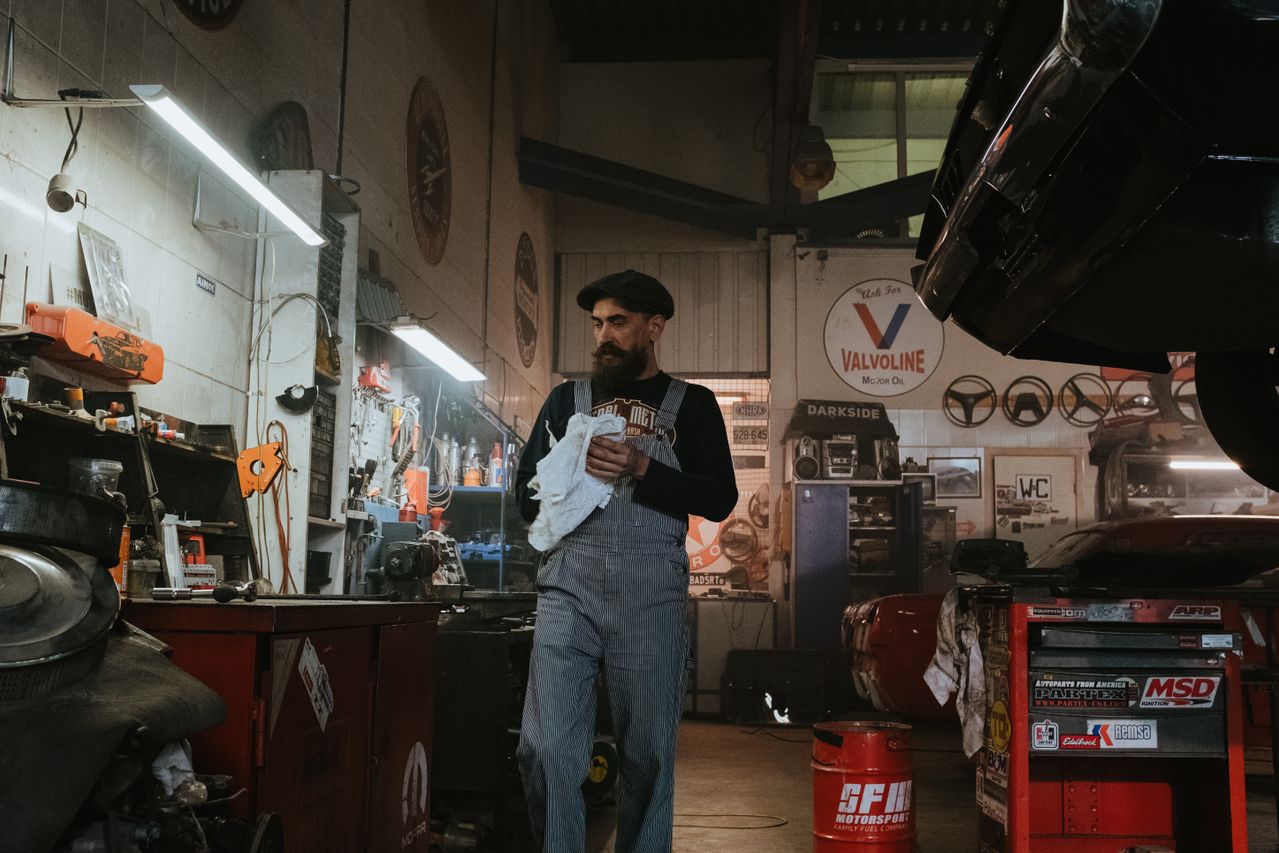
Workshop productivity often depends on having the right tools available at the right time. Tasks such as tightening fasteners, cleaning machinery, inflating tyres, spraying coatings, and removing debris can become repetitive when performed manually. By providing a reliable source of compressed air, air compressors can make many routine jobs quicker, more consistent, and easier to manage.
The value of compressed air extends beyond simply powering pneumatic tools. It can support cleaning, maintenance, finishing, inflation, and a variety of specialist workshop applications. For businesses and individuals who regularly perform mechanical or fabrication work, understanding how air-powered equipment fits into daily operations can help improve efficiency while reducing unnecessary physical effort.
A suitable compressed air system can also create a more organised working environment. Instead of relying on separate power sources for every task, several compatible tools can operate from the same supply. However, equipment should always be selected and operated according to the manufacturer’s instructions, with attention given to pressure ratings, air requirements, ventilation, electrical safety, and routine maintenance.
Faster Pneumatic Tool Operation
One of the biggest advantages of compressed air in a workshop is its ability to power pneumatic tools. These tools use pressurised air to produce mechanical movement, allowing operators to complete many jobs without relying solely on manual force.
Impact wrenches, ratchets, grinders, drills, sanders, and other air-powered tools are commonly used in automotive, engineering, construction, and fabrication environments. Depending on the tool and application, pneumatic equipment can provide a practical combination of speed, control, and repeatability.
For example, removing or installing multiple fasteners can be tiring when performed with hand tools alone. A suitable pneumatic wrench can make repetitive fastening work considerably more efficient. Similarly, an air-powered die grinder can help with detailed grinding, deburring, and finishing tasks where access and precision are important.
The compressor itself does not determine whether every pneumatic tool will perform properly. Each tool has an air consumption requirement, commonly expressed as litres per minute or cubic feet per minute, as well as a recommended operating pressure. The compressor and air distribution system should therefore be capable of supplying the required volume at the appropriate pressure.
Making Cleaning and Maintenance Easier
Workshops can accumulate dust, metal particles, sawdust, dirt, and other loose material surprisingly quickly. Compressed air can be useful for clearing debris from suitable work areas, equipment surfaces, machinery components, and hard-to-reach locations.
Air blow guns can direct a controlled stream of air into narrow spaces that may be difficult to clean using a cloth or brush. This can be particularly useful around machinery, benches, fixtures, and certain mechanical components.
However, compressed air should be used responsibly. Blowing dust or particles into the air can create respiratory and eye hazards, while directing high-pressure air at people can cause serious injury. Appropriate protective equipment and workplace procedures should be followed, and alternative cleaning methods may be preferable where airborne dust is a concern.
Routine maintenance is another area where a reliable air supply can be useful. Pneumatic equipment can assist with certain servicing activities, while compressed air may also support cleaning around machinery before maintenance work begins. The equipment manufacturer’s instructions should always take priority.
Supporting Tyre Inflation and Workshop Equipment
Inflating tyres is another common workshop task that can benefit from compressed air. A compressor connected to a suitable tyre inflator or pressure gauge can provide a convenient way to adjust tyre pressure on vehicles, trailers, bicycles, and other compatible equipment.
Accurate pressure measurement is important because incorrect tyre pressure can affect handling, wear, efficiency, and safety. The correct pressure should be taken from the vehicle or equipment manufacturer’s specifications rather than estimated from the appearance of the tyre.
Compressed air can also be used with various inflation accessories for suitable recreational and workshop equipment. The key consideration is always compatibility. An air supply should not be connected to an item unless the equipment is designed to withstand the pressure being applied.
Improving Painting and Finishing Work
Spray equipment is another important application for compressed air. In workshops involved in automotive repair, woodworking, fabrication, or restoration, air-powered spray systems can provide a practical method of applying certain coatings and finishes.
Compared with applying some products manually with brushes or rollers, spraying can produce a more uniform application when the correct equipment, technique, material, and settings are used. The result depends on several factors, including nozzle selection, air pressure, coating viscosity, distance from the surface, and operator technique.
Ventilation is particularly important during spraying. Paints, solvents, and coatings can release vapours or create airborne particles that require appropriate controls. Users should follow the coating manufacturer’s safety information and use suitable respiratory and protective equipment where required.
Reducing Physical Effort During Repetitive Jobs
Workshop work often involves repeating the same movement hundreds of times. Even when an individual task is relatively simple, repetition can contribute to fatigue and reduce productivity.
Pneumatic tools can help by providing mechanical assistance for suitable applications. Instead of manually turning every fastener, grinding every surface, or operating certain tools by hand, the operator can use compressed air to supply the energy needed for the task.
This does not mean that pneumatic tools eliminate physical effort. Operators still need to position tools correctly, control their movement, inspect work, and maintain safe working practices. The main advantage is that the equipment can take over part of the mechanical workload.
For professional workshops, reducing unnecessary fatigue can also help maintain consistent work quality throughout the day. For occasional users, it can make larger maintenance or fabrication projects more manageable.
Choosing the Right Compressor for the Job
Not every compressor is suitable for every workshop application. A small portable unit may be perfectly adequate for intermittent inflation or light-duty tools, while continuous pneumatic work may require a larger machine with greater airflow capacity.
When selecting equipment, several factors should be considered:
- Required operating pressure for the tools and equipment
- Airflow demand and expected frequency of use
- Receiver or tank capacity
- Available electrical supply
- Workshop space and ventilation
- Noise levels and operating environment
- Maintenance requirements and manufacturer support
Tank size is often misunderstood. A larger receiver can provide a useful reserve of compressed air and reduce how frequently the motor starts during intermittent use, but tank capacity alone does not determine whether a compressor can continuously supply a demanding tool. The compressor’s actual airflow output must also match the application.
For demanding workshop environments, it can be useful to consider the highest expected air consumption rather than selecting equipment solely around the smallest tool. Allowing a reasonable operating margin can help prevent the compressor from running continuously at its limits.
Understanding Air Pressure and Airflow
Pressure and airflow are related but different specifications. Pressure indicates the force available within the compressed air system, while airflow indicates how much air the compressor can deliver over a period of time.
This distinction matters when operating pneumatic equipment. A tool may require a certain pressure while consuming a substantial volume of air. If the compressor can reach the required pressure but cannot maintain sufficient airflow, the tool may lose performance during prolonged operation.
Air hoses, fittings, filters, regulators, and other components can also affect the system. Undersized hoses or restrictive fittings may reduce the amount of air reaching the tool, even when the compressor itself is adequately sized.
For this reason, workshop owners should look at the complete compressed-air system rather than focusing on the compressor alone.
Keeping the System Reliable
Regular maintenance helps protect performance and can extend the useful life of workshop equipment. Maintenance requirements vary by compressor design, so the manufacturer’s service schedule should always be followed.
Common checks may include inspecting hoses and connections, draining moisture from appropriate systems, checking filters, and monitoring for unusual noises, vibration, overheating, or air leaks. Oil-lubricated compressors also require the correct lubricant and maintenance procedures specified by the manufacturer.
Moisture management is particularly important because atmospheric air contains water vapour. When air is compressed and subsequently cools, condensation can form inside parts of the system. Depending on the application, water separators, filters, dryers, and suitable drainage procedures may be required.
Leaks deserve attention as well. Even a relatively small leak can cause the compressor to run more frequently, increasing energy consumption and placing additional operating demand on the equipment.
Using Compressed Air Safely
The convenience of compressed air should never replace proper safety procedures. High-pressure air can cause injuries, propel debris, damage components, and create hazardous airborne particles when used incorrectly.
A safe workshop approach includes four basic principles:
- Read the compressor, tool, and accessory instructions before use.
- Use pressure settings and accessories that are appropriate for the equipment.
- Wear suitable eye and other protective equipment for the task.
- Inspect hoses, fittings, and connections before operating the system.
Electrical safety is also important because many compressors use substantial electrical power. The unit should be connected according to the manufacturer’s requirements, and damaged cables, plugs, or electrical components should not be used.
Good ventilation is necessary in enclosed areas, particularly where spraying, cleaning chemicals, fuel-related work, or other processes can introduce vapours or contaminants into the environment.
Creating a More Efficient Workshop
The greatest benefit of air compressors comes from integrating them into a well-planned workflow. A workshop can position the compressor appropriately, install suitable air lines or hose reels, and keep commonly used pneumatic accessories accessible without creating trip hazards.
It is also worth considering which jobs genuinely benefit from compressed air. A compressor does not need to power every tool in the workshop. Electric, battery-powered, and manual equipment can remain useful depending on the task, operating environment, portability requirements, and frequency of use.
For workshops with several pneumatic tools, planning the air distribution system can be just as important as selecting the compressor. Properly rated components, suitable regulators, filters, drains, and hoses can help maintain consistent performance and reduce avoidable losses.
Why the Right Setup Makes a Difference
Air compressors can make workshop work easier by supplying a versatile energy source for tools, cleaning equipment, inflation devices, and finishing systems. Their usefulness comes from the ability to support many different tasks through compatible accessories rather than from the compressor alone.
A well-matched system can reduce repetitive manual work, improve workflow, and make certain jobs faster and more convenient. At the same time, performance depends on selecting equipment with adequate airflow and pressure, maintaining the system correctly, and following appropriate safety procedures.
Whether the workshop handles vehicle maintenance, fabrication, woodworking, machinery servicing, or general repairs, the right compressed-air setup can become a valuable part of the working environment. Careful equipment selection and responsible operation ensure that the convenience of compressed air is matched by reliable performance and safe working practices.