
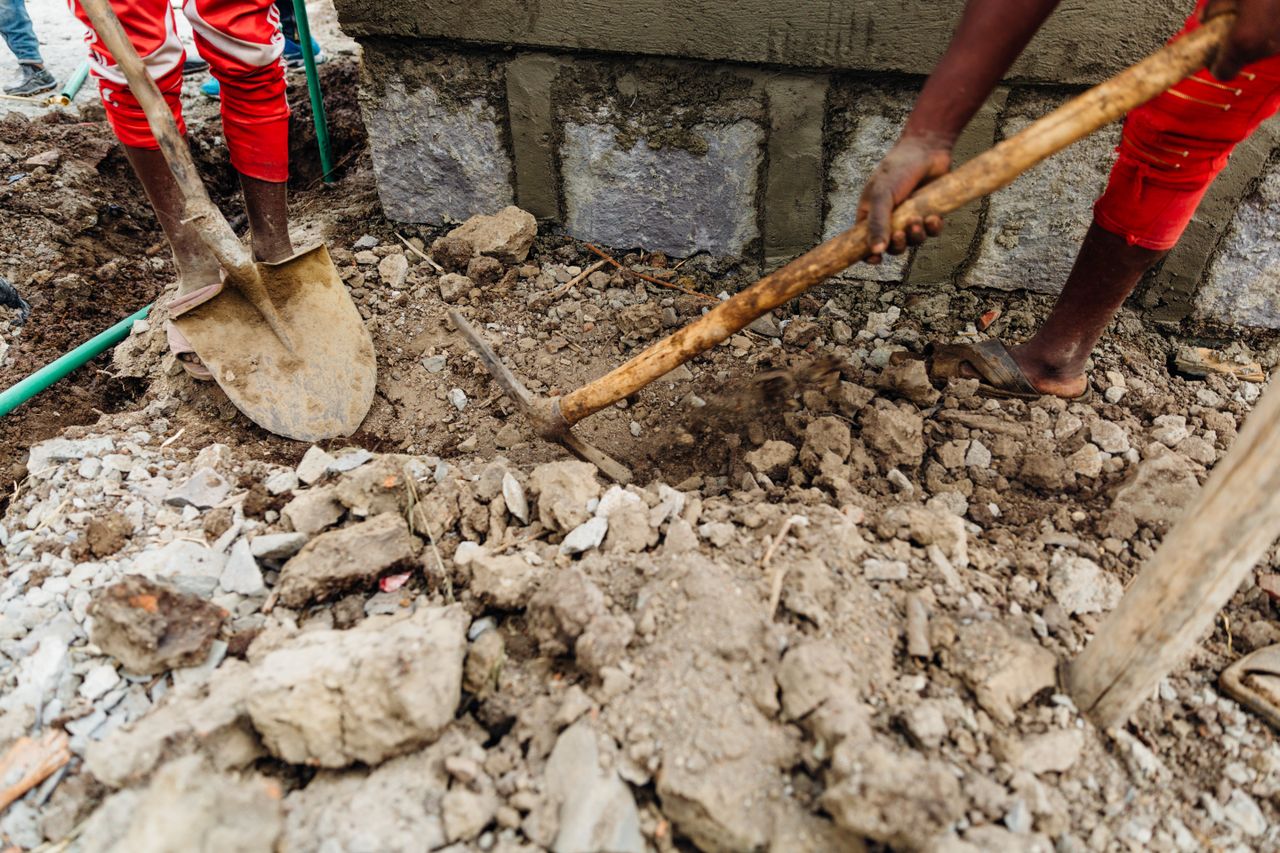
Renovations, demolitions and construction projects can generate far more waste than many property owners initially expect. Broken bricks, old tiles, concrete, soil and other materials can quickly accumulate around a residential or commercial property. Knowing what qualifies as building rubble, what should be separated, and what requires a different disposal method can make the cleanup process safer and more compliant.
For property owners arranging rubble removal Pretoria East services, the first step is understanding exactly what is being removed. Building and demolition waste can include materials produced during construction, alteration, repair or demolition, including items such as concrete, bricks, tiles, ceramics, soil, stones, wood, glass, plastic and metals. However, not everything found on a building site should automatically be treated as ordinary rubble.
Correct waste handling is important for more than keeping a property tidy. Waste that is dumped incorrectly can create environmental and public health problems, while unsuitable materials may need to be handled separately. The City of Tshwane has also taken action against illegal dumping, making responsible disposal an important consideration for homeowners, contractors and developers.
What Is Considered Building Rubble?
Building rubble generally refers to discarded materials resulting from construction, renovation, alteration, repair or demolition work. The exact contents can vary considerably depending on the project.
Common examples include:
- Broken concrete
- Bricks and masonry
- Ceramic tiles
- Roofing materials
- Plaster and cement-based materials
- Clean soil and stones
- Sand and excavation material
- Certain discarded metals
- Timber from construction activities
- Glass and some plastics
South African waste legislation specifically recognises building and demolition waste as a waste category and includes materials such as discarded concrete, bricks, tiles, ceramics, wood, glass, plastic, metals, soil and stones.
This means that a pile left after knocking down a wall, removing a patio or renovating a bathroom may contain several different types of material. Sorting those materials can make disposal and recycling more straightforward.
Materials That Can Usually Be Removed as Building Rubble
Most ordinary, non-hazardous construction debris can be handled as building rubble when it is suitable for the relevant disposal or recycling facility.
For example, a small home renovation may produce broken masonry, concrete fragments and old tiles. These materials are generally associated with building and demolition activities rather than ordinary household refuse.
Clean excavation material can also form part of a rubble load. Soil and stones displaced during construction are included in the statutory definition of building and demolition waste.
Before arranging collection, however, it is sensible to identify what is actually in the pile. A mixed load containing ordinary rubble alongside chemicals, electronic equipment or other potentially hazardous materials may require a different approach.
What Should Not Simply Be Mixed With Building Rubble?
Not every item produced during a renovation belongs in a standard rubble load. Some materials may be hazardous, regulated, recyclable or otherwise subject to separate disposal requirements.
Examples can include certain chemicals, contaminated materials, electronic waste and other substances that could pose environmental or health risks. The City of Tshwane’s waste planning documentation notes that hazardous waste is not permitted at its general waste landfill sites.
Materials that may need separate consideration include:
- Paints, solvents and chemical products
- Certain oils and contaminated materials
- Medical or healthcare-related waste
- Electronic equipment
- Batteries and similar specialised waste
- Materials suspected of containing hazardous substances
- General household refuse mixed into a construction load
The important point is not to assume that a material is acceptable simply because it came from a building site. If there is uncertainty about a particular substance, its classification and appropriate disposal route should be checked before it is transported.
How Should Rubble Be Sorted Before Removal?
Separating materials at the source can simplify the entire waste management process. It can also reduce the amount of material that ultimately needs disposal because certain components may be suitable for reuse or recycling.
A practical sorting process can involve the following steps:
- Identify the major materials in the waste pile, such as concrete, bricks, soil, timber and metal.
- Separate obvious hazardous or potentially contaminated items from ordinary construction debris.
- Keep reusable materials aside rather than automatically sending everything for disposal.
- Place smaller loose materials into suitable containers or secured loads.
- Confirm that the intended disposal facility accepts the type and quantity of waste being transported.
- Keep records or receipts where appropriate, particularly for larger construction or demolition projects.
For larger developments, waste management planning can become more formal. Tshwane’s builder’s waste provisions indicate that generators should plan for separation, storage and disposal of different components of builder’s waste.
Why Illegal Dumping Is Not an Acceptable Alternative
It can be tempting to view rubble as harmless because much of it consists of solid materials such as bricks and concrete. However, illegal dumping creates wider environmental and community problems.
Construction debris dumped beside roads, in open spaces or near waterways can obstruct drainage, damage public areas and create hazards for people and animals. If other waste becomes mixed into the pile, the potential risks can increase further.
The City of Tshwane has specifically warned about the health and environmental consequences of illegal dumping, including pollution, sharp objects, vermin and other hazards.
Illegal dumping can also create financial consequences. The City’s published 2026/27 tariff information includes charges associated with the removal and cleanup of illegally dumped refuse and rubble, illustrating why improper disposal can become considerably more expensive than arranging legitimate disposal in the first place.
What Happens to Rubble After Collection?
Once collected, building rubble may be transported to an appropriate disposal facility or, where suitable, directed towards recovery and recycling.
Some materials have potential value beyond their original use. Clean bricks may sometimes be salvaged, metals can have recycling value, and certain inert materials can potentially be processed for use in other applications. The suitability of any material depends on its condition, contamination status and the requirements of the receiving facility.
The distinction between recyclable material and waste requiring disposal is therefore important. Simply placing everything into one mixed pile can make recovery more difficult.
For contractors and property owners undertaking larger projects, separating materials before collection can support better waste management and potentially reduce the amount requiring final disposal.
What Property Owners Should Check Before Removal
Before a rubble collection is arranged, it is worth taking a few practical precautions. This is especially important when the waste comes from a demolition or major renovation rather than a small household improvement.
Check:
- What materials are actually included in the pile.
- Whether any potentially hazardous substances are present.
- Whether reusable or recyclable materials can be separated.
- Where the waste will be taken.
- Whether the receiving facility accepts the particular waste type.
- Whether the quantity or nature of the project creates additional municipal requirements.
- Whether the person transporting the waste can provide appropriate disposal documentation where required.
The City of Tshwane’s builder’s waste provisions also place responsibilities on those generating construction and demolition waste, including requirements concerning storage, separation, transportation and disposal.
When Professional Rubble Removal Makes Sense
Small quantities of uncomplicated rubble may be manageable for some property owners, but larger projects can quickly become difficult to handle without suitable equipment and transport.
A professional removal service can be useful when a property has substantial quantities of broken masonry, concrete, soil or renovation debris. It can also save time when material needs to be loaded, transported and taken to an appropriate disposal point.
Before hiring a service, ask what types of waste they accept and where the collected material will be taken. It is reasonable to request clarity about disposal arrangements, particularly when the project involves a large quantity of waste or mixed materials.
A responsible rubble removal Pretoria East provider should be able to explain what can be collected, identify materials that require separate handling, and clarify any limitations before the collection takes place.
Planning Rubble Removal During a Renovation
Rubble management is easiest when it is considered before construction begins rather than after the waste has accumulated.
For a bathroom renovation, for example, removing tiles, sanitaryware and old fittings can create several different waste streams. A wall-removal project may produce bricks, plaster and concrete. A landscaping or excavation project may produce substantial quantities of soil and stones.
Planning the waste flow in advance makes it easier to keep materials separated and prevents the work area from becoming unnecessarily cluttered. It also reduces the likelihood of unsuitable materials being placed into the same load.
For larger building or demolition activities, Tshwane’s builder’s waste provisions indicate that waste management planning can form part of the building-plan process, with provisions for separating, storing and disposing of different materials.
Responsible Disposal Protects More Than the Property
Building rubble may appear straightforward, but responsible disposal involves more than simply loading debris onto a vehicle and taking it away. The type of material, its condition, potential contamination and the destination all matter.
Ordinary materials such as concrete, bricks, tiles, soil and stones can commonly fall within the building and demolition waste category, while hazardous or specialised materials may require separate handling.
For homeowners and contractors in Pretoria East, the safest approach is to identify the waste before removal, separate unsuitable materials, use an appropriate disposal route and retain relevant records where necessary. This helps keep construction sites cleaner while reducing the environmental, legal and safety risks associated with improper waste disposal.