
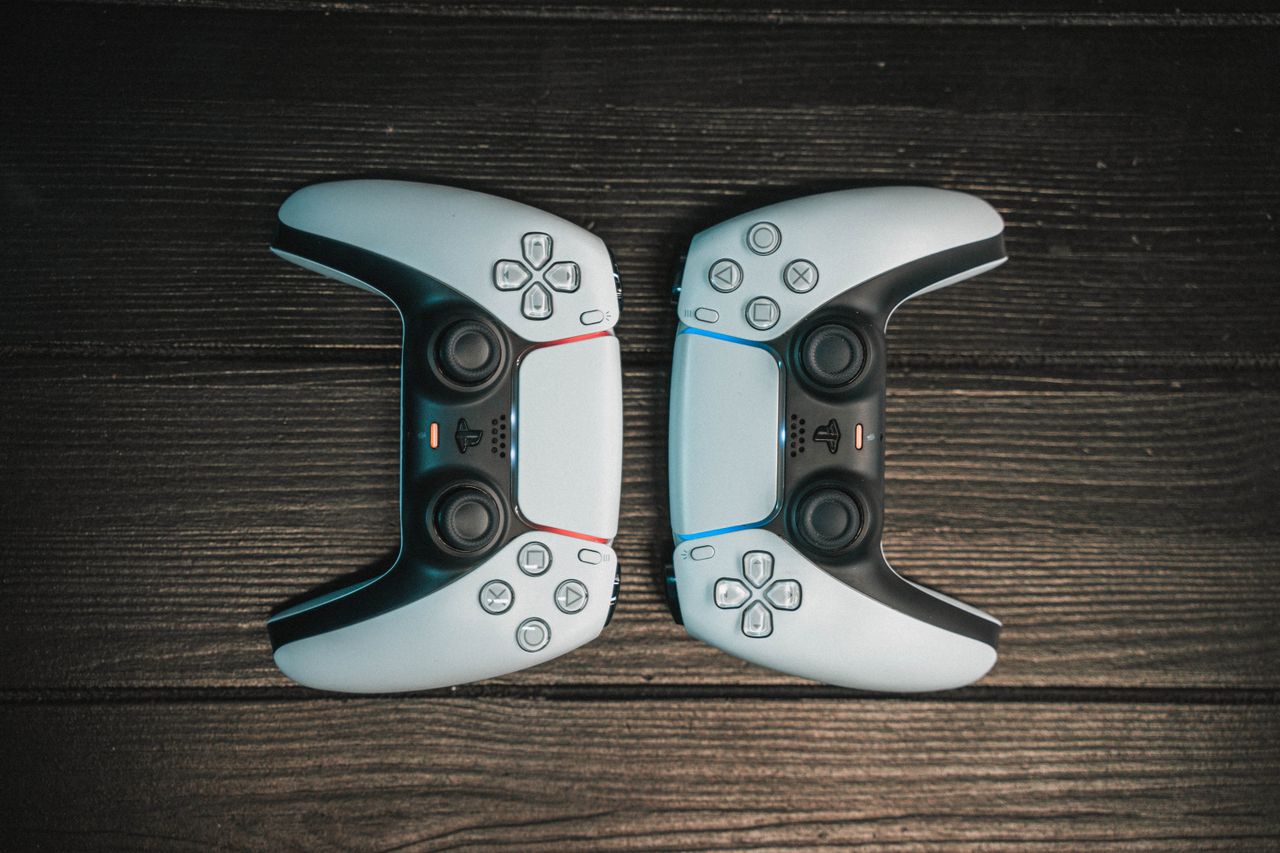
A PlayStation controller is an essential part of the gaming experience, allowing players to interact with games comfortably and accurately. However, regular use, accidental drops, worn-out components and everyday handling can eventually cause problems. When buttons stop responding or the analogue sticks begin behaving unpredictably, replacing the entire controller may seem like the only option.
Fortunately, many controller problems can be repaired, depending on the type and extent of the damage. In some cases, a relatively straightforward repair can restore normal functionality without the expense of purchasing a new device. Understanding which issues are repairable can help PlayStation owners make more informed decisions about maintenance and replacement.
For anyone experiencing controller problems, professional PlayStation controller repairs can provide a practical alternative to buying new equipment. The right solution depends on the affected components, the controller’s condition and whether replacement parts are readily available. Knowing what to look for is a useful first step towards determining whether a damaged controller can be restored.
Common PlayStation Controller Problems That Can Be Repaired
PlayStation controllers contain several electronic and mechanical components that work together to provide responsive gameplay. Over time, individual parts can wear out or become damaged, affecting how the controller performs.
One common issue involves faulty buttons. The face buttons, directional pad and shoulder buttons are frequently used during gameplay, which means their internal contact mechanisms can gradually deteriorate. Buttons may become unresponsive, stick when pressed or require excessive pressure to register an input.
Analogue stick problems are another frequent concern. Players may notice that their character moves without touching the controller or that camera movements become difficult to control. This behaviour is commonly associated with stick drift, which can develop as the internal analogue stick components wear down.
Charging and connectivity problems can also affect controller performance. A damaged USB port, worn charging connection or internal electrical fault may prevent the controller from charging correctly or maintaining a stable connection.
Many of these issues can be addressed by repairing or replacing the affected component rather than discarding the entire controller.
Can PlayStation Controller Stick Drift Be Fixed?
Stick drift occurs when an analogue stick registers movement even though the player is not touching it. This can make games difficult to control, particularly when precise character movement or camera positioning is required.
The problem is often linked to wear within the analogue stick assembly. Dust, debris and deterioration of internal components may also contribute to inconsistent readings.
In some situations, recalibration or appropriate cleaning may improve performance. However, these measures are not always sufficient, especially when the internal mechanism has physically worn out.
A technician can inspect the analogue stick assembly to determine whether cleaning, component replacement or a more extensive repair is necessary. Depending on the controller model and available parts, replacing the affected joystick mechanism may restore accurate movement.
It is worth remembering that stick drift does not automatically mean the controller is beyond repair. An accurate diagnosis is important before deciding whether replacement is necessary.
Repairing Broken or Unresponsive Controller Buttons
Buttons can become less responsive after months or years of regular gaming. This may happen because of worn contact pads, damaged internal membranes, accumulated dirt or physical damage caused by accidental impacts.
Sometimes, a button may feel different from the others. It could become difficult to press, remain stuck after being released or fail to register certain inputs.
The appropriate repair depends on the underlying cause. Cleaning may resolve problems caused by surface contamination or debris, while worn or damaged internal components may need to be replaced.
Shoulder buttons and triggers can also experience mechanical problems. These controls contain moving parts that may become damaged or lose their normal responsiveness over time.
Professional inspection helps identify whether the issue is limited to one button or involves a wider internal problem. Addressing the fault early can prevent continued inconvenience and help preserve the controller’s usability.
What Happens When a PlayStation Controller Has Charging Problems?
A controller that refuses to charge can be particularly frustrating, especially when it interrupts regular gaming sessions. However, charging problems do not necessarily indicate that the entire device has failed.
The USB charging port is one possible source of trouble. Frequent cable connections, accidental pulling and general wear can damage the port or affect its internal connections.
Battery deterioration is another possibility. Rechargeable batteries gradually lose capacity through repeated charging cycles. As a result, an older controller may struggle to hold its charge or switch off sooner than expected.
Other potential causes include damaged charging cables, faulty power sources and internal electrical problems.
Before arranging a repair, it is sensible to check the charging cable and try another compatible power source. If the problem continues, a technician can examine the charging port, battery and relevant internal circuitry.
Depending on the diagnosis, replacing a faulty battery or repairing the charging connection may restore normal operation.
Can a PlayStation Controller With Physical Damage Be Repaired?
Accidental drops and impacts can cause visible damage to a controller. Cracked casing, loose buttons, damaged triggers and separated plastic components are examples of problems that may develop after an accident.
Some cosmetic damage has little effect on functionality. However, a significant impact can also affect internal connections, circuit boards and moving components.
A cracked outer shell may sometimes be replaced if suitable parts are available. Similarly, loose or damaged buttons may be repairable without replacing the entire controller.
More extensive damage requires careful assessment. For example, liquid exposure can affect several internal components and may lead to corrosion or electrical faults. Even if a controller appears to work initially, moisture-related damage can cause problems later.
Controllers with severe circuit board damage may be more difficult or expensive to restore. A professional assessment can establish whether repairing the affected components is a sensible option.
Is It Better to Repair or Replace a PlayStation Controller?
The decision to repair or replace a controller depends on several practical considerations. Repairing a device may be worthwhile when the problem involves one replaceable component and the rest of the controller remains in good condition.
Replacement may be more appropriate when multiple components have failed, the circuit board is extensively damaged or the estimated repair cost approaches the price of a suitable replacement.
Controller age is another consideration. Older models may have limited parts availability, while newer versions may require specific components and compatible repair procedures.
When comparing the options, consider the following factors:
- Type of damage: A faulty button or charging port may be easier to repair than extensive internal electrical damage.
- Repair costs: Compare the estimated repair expense with the cost of purchasing a replacement controller.
- Overall condition: A controller with several worn or damaged components may require more extensive work.
- Parts availability: The availability of compatible replacement components can influence repair feasibility.
- Expected reliability: Consider whether the proposed repair is likely to provide a dependable long-term solution.
Getting a diagnosis before purchasing a replacement can help avoid unnecessary spending.
Why Professional Controller Repairs Matter
Modern PlayStation controllers contain compact electronic components, delicate connections and specialised input mechanisms. Attempting to repair these devices without suitable experience can result in additional damage.
For example, opening a controller incorrectly may damage its casing, internal cables or connectors. Using unsuitable cleaning products can also affect sensitive electronic components.
Professional technicians have the equipment and experience needed to inspect controller faults more accurately. They can identify damaged components, determine whether replacement parts are required and explain the available repair options.
When considering PlayStation controller repairs, it is useful to choose a service provider that understands different PlayStation controller generations and their specific components.
A reliable repair service should also provide a clear explanation of the problem, an estimated cost and information about any applicable repair warranty.
How to Prevent Future PlayStation Controller Damage
Although normal wear and tear cannot be avoided completely, good handling habits can help extend a controller’s useful lifespan.
Keeping the device clean is particularly important. Dust and debris can accumulate around buttons and analogue sticks, potentially affecting their responsiveness.
Controllers should also be stored somewhere safe when they are not being used. Avoid leaving them near liquids, excessive heat or areas where they could easily fall.
Charging cables should be disconnected carefully rather than pulled out by force. This helps reduce unnecessary strain on the USB connection.
Regularly checking for unusual button behaviour, charging difficulties or inconsistent analogue stick movement can also help identify developing problems before they become more serious.
A Damaged PlayStation Controller May Still Have Plenty of Life Left
A faulty controller does not always need to be replaced. Many common problems, including stick drift, unresponsive buttons, charging faults and certain types of physical damage, can be addressed through appropriate repairs.
The most important step is identifying the underlying cause rather than assuming that the entire device has failed. A proper assessment makes it easier to understand the available options and compare repair costs with replacement prices.
With suitable parts, experienced technicians and the correct repair approach, many damaged controllers can return to reliable working condition. For PlayStation owners, exploring repair options first can be a sensible way to extend the lifespan of their gaming equipment and avoid replacing a device unnecessarily.