
Let’s be completely honest: nobody enjoys sharing their living space with uninvited pests. Whether it’s a trail of ants invading the sugar bowl, mosquitoes ruining a summer evening braai, or the sudden, terrifying scurry of a cockroach across the kitchen floor, pests are a massive nuisance.
However, keeping your home pest-free shouldn’t mean having to blanket your living spaces in harsh, noxious chemicals. In recent years, South Africans have become increasingly aware of the impact our household choices have on the environment and our health. This has sparked a massive shift towards eco-friendly pest control.
What Exactly is Eco-Friendly Pest Control?
At its heart, eco-friendly pest control—sometimes referred to as Integrated Pest Management (IPM)—prioritises safety, long-term prevention, and environmental sustainability. Instead of reaching for a toxic, broad-spectrum bug spray at the first sign of an insect, this approach uses a layered mix of natural repellents, physical barriers, and smart household habits.
- Exclusion: Sealing up tiny cracks, crevices, and gaps around windows, doors, and plumbing fixtures.
- Sanitation: Keeping your kitchen spotless, managing waste properly, and packing food away in heavy-duty containers.
- Habitat Modification: Understanding what attracts specific bugs so you can cut off their vital food, water, and shelter sources.
Ready to Build Your Eco-Friendly Toolkit?
Stock up on natural, cruelty-free essential oils and sustainable pest-deterrents from South Africa’s leading green store.
Why Sustainable Pest Management Matters in South Africa
1. It Protects Your Family’s Health
Traditional chemical sprays and fumigators often contain volatile organic compounds (VOCs) and synthetic neurotoxins. While these are designed to kill bugs, residual exposure can irritate human skin, cause respiratory distress, and trigger severe asthma attacks, particularly in young children and the elderly. Natural alternatives ensure your indoor air quality remains clean.
2. It Protects Our Incredible Biodiversity
South Africa boasts some of the most diverse ecosystems on the planet. Unfortunately, chemical pesticides kill indiscriminately. They wipe out the target pests, but they also decimate vital pollinators like bees and butterflies, as well as the natural predators (like geckos, frogs, and harmless spiders) that actually help keep pest populations in check. Protecting our local ecosystems is a big deal, and you can learn more about our unique flora and fauna through organisations like SANBI.
3. It Prevents Chemical Resistance
Pests are remarkably adaptable survivalists. Over time, insects like cockroaches and bed bugs can build up a genetic resistance to standard chemical sprays. Because eco-friendly control uses a holistic mix of different strategies, bugs have a much harder time adapting and surviving.
Dealing with Common South African Household Pests
Different pests require entirely different plans of action. Here is a breakdown of the common intruders you might find around your home:
- Ants: While mostly harmless to humans, they contaminate food at an alarming rate. They leave behind invisible pheromone trails, meaning where there is one ant, thousands more will follow.
- Cockroaches: Major health hazards. They spread aggressive bacteria like Salmonella, contaminate food prep areas, and their shed skins are leading triggers for childhood asthma.
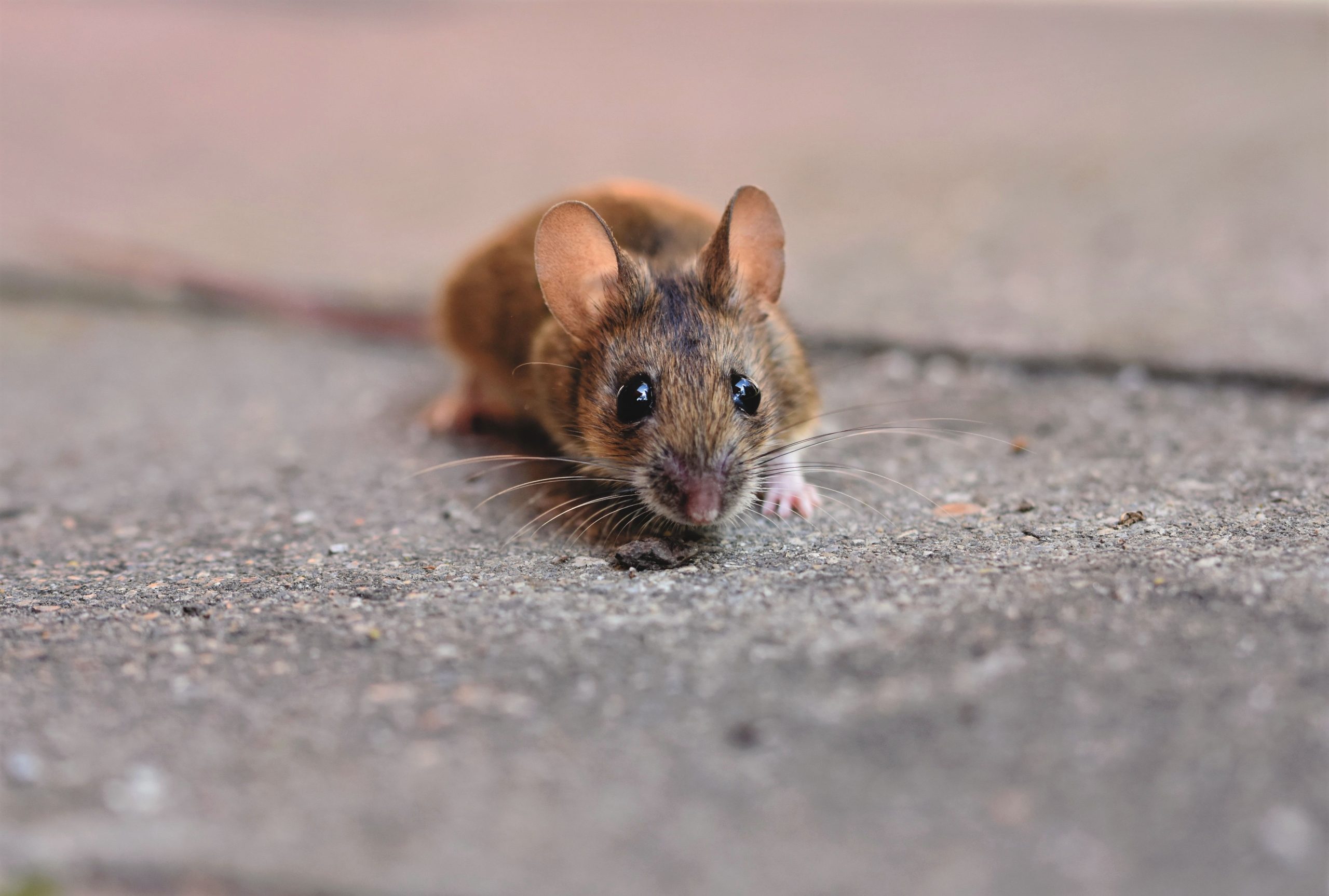
- Rodents (Rats and Mice): Infamous for chewing through electrical wires (a major fire hazard) and carrying diseases that can be easily transmitted to humans and pets.
- Termites: The silent destroyers. They feed on cellulose (wood) and can cause massive, irreversible structural damage to your roof trusses or wooden flooring if left unchecked.
- Mosquitoes and Bed Bugs: Famous for painful, itchy bites that disrupt sleep. Bed bugs, in particular, are incredibly resilient hitchhikers that cause severe psychological distress.
The Natural Pest Control Arsenal
You can effectively control pests by utilizing nature’s own robust toolkit:
The Power of Essential Oils
Essential oils smell amazing to us, but bugs possess highly sensitive olfactory receptors and absolutely despise them!
- Peppermint Oil: Incredibly potent against ants, spiders, and mice. Pop 5-10 drops on a few cotton balls and leave them under the sink.
- Lavender Oil: Keeps clothes moths out of your cupboards and deters fleas and mosquitoes.
- Tea Tree Oil: Renowned for its antimicrobial properties, it is also a great general insect deterrent.
- Eucalyptus Oil: The ultimate mosquito repellent. Use in a diffuser during summer evenings.
DIY Eco-Friendly Bug “Muti” Recipes
Making your own pest-control mixtures is cost-effective, perfectly safe, and simple.
The Scent-Buster Vinegar Spray
Use for: Ants and crawling insects.
Recipe: Mix equal parts white spirit vinegar and water in a spray bottle. Add 10 drops of peppermint essential oil.
How: Spray directly onto skirting boards and countertops where ants march to destroy their invisible pheromone trails.
Diatomaceous Earth (DE) Barrier
Use for: Cockroaches, bed bugs, and fleas.
Recipe: 100% Food-Grade Diatomaceous Earth powder.
How: Sprinkle a very fine layer along skirting boards and inside cracks. It dehydrates the exoskeletons of crawling insects safely without harming pets.
When to Call the Professionals
While DIY methods are brilliant for preventative maintenance and managing minor bug issues, there is a distinct line where professional intervention becomes necessary. If you are dealing with a severe termite colony, a stubborn bed bug outbreak, or a large rodent population, it is time to call in the experts.
Calling a professional doesn’t mean you have to abandon your eco-friendly principles! Seek out companies that adhere to strict safety standards, such as those registered with the South African Pest Control Association (SAPCA).
Need Professional, Eco-Friendly Help in Cape Town?
If you’re based in the Mother City, don’t let pests take over your home. Pest Managers provides top-tier, environmentally safe pest control solutions tailored for South African homes. They pinpoint the root cause and offer lasting solutions without the harsh chemicals.
Conclusion: Embrace a Healthier, Greener Home
Switching to eco-friendly pest control is an incredibly empowering way to protect your property, look after your family’s physical health, and do your bit for the wider South African ecosystem.
By taking a proactive, preventative approach—using the natural power of essential oils, mixing up your own simple sprays, and sealing up entry points—you can successfully manage the vast majority of household bug problems. Take the first step today, clear out those old chemical cans under the sink, and embrace a natural, pest-free home!
Protect Your Home. Protect Nature.
Committed to providing safe, sustainable, and friendly advice for South African homeowners.